Why Does Your Kitchen Still Smell After Cooking?

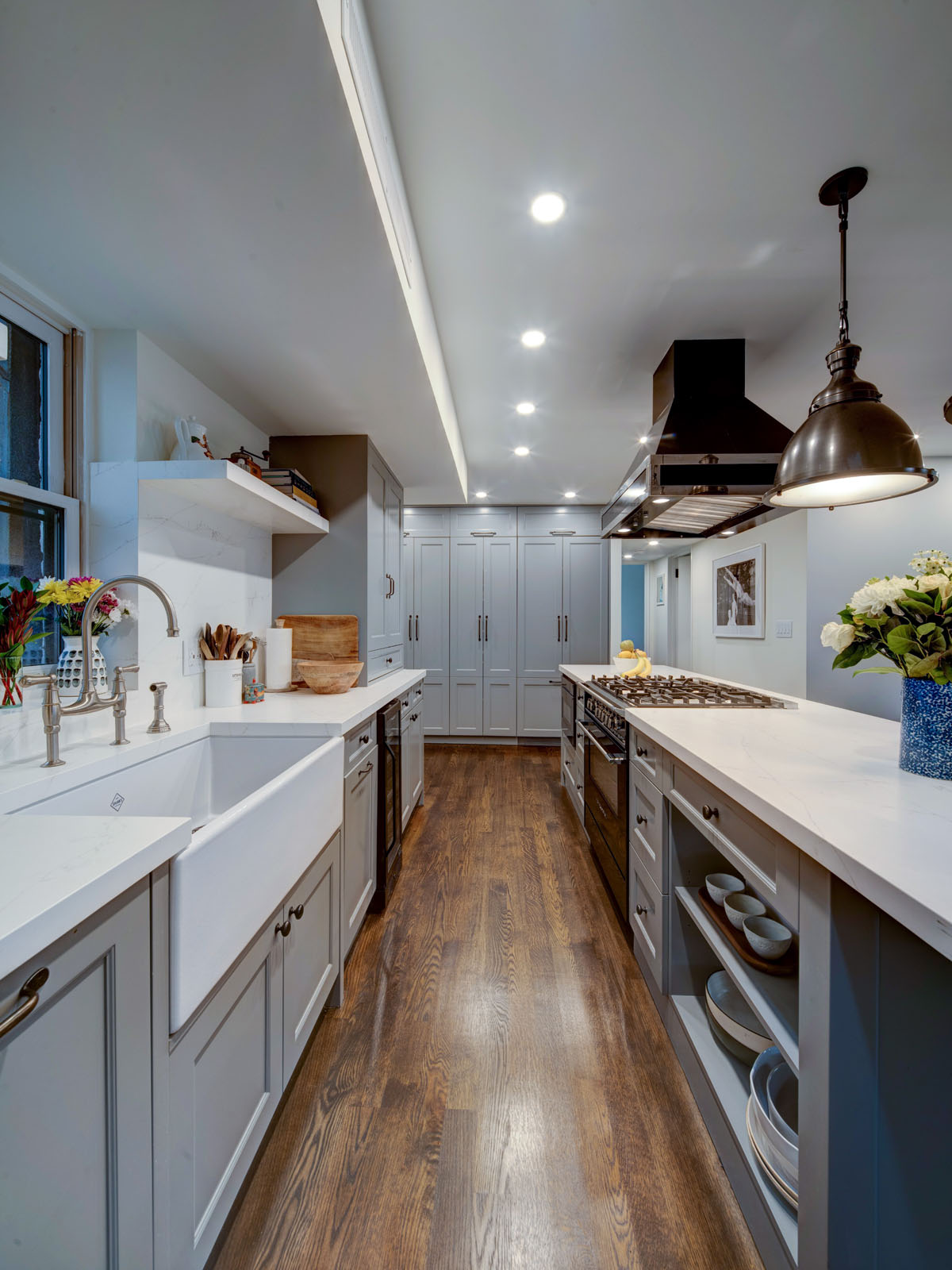
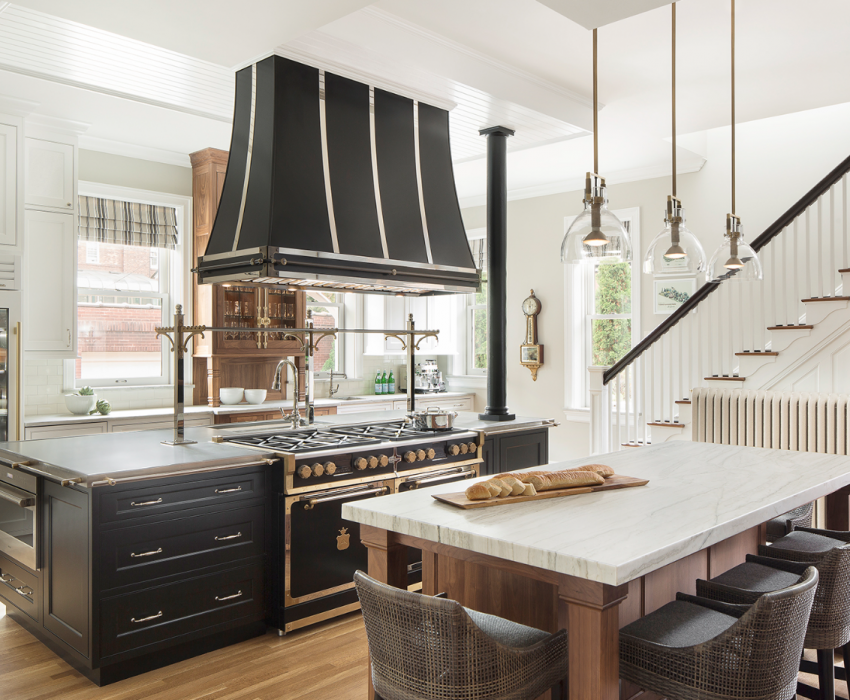
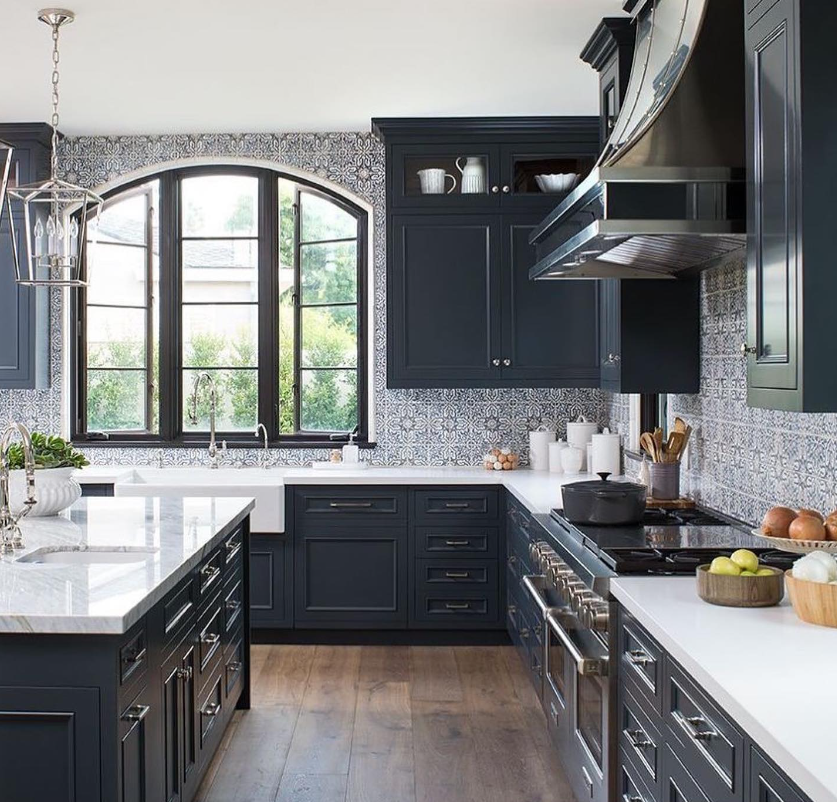
custom Modern Aire range hood helping remove cooking odors from kitchen.


If your kitchen still smells after cooking, your range hood may not be capturing or exhausting cooking air quickly enough. Food naturally creates odor, especially when frying, searing, boiling spices, or cooking with oil. However, lingering smells can become worse when the hood is too shallow, too narrow, installed too high, paired with the wrong blower setup, connected to restrictive ducting, or used with dirty range hood filters.

A good habit is to leave the hood on for 5 to 10 minutes after cooking. This helps continue venting the area after the burners are off. But the goal of a well-planned kitchen ventilation system is to capture smoke, grease, steam, and odors as quickly as possible while cooking, before they spread through the room.

Why Does My Kitchen Still Smell After Cooking?

Some cooking smells are normal. Food has natural odor, and certain cooking methods create more smell than others. Frying, searing, grilling indoors, cooking fish, boiling spices, using garlic, cooking with oil, and working with high heat can all leave odor in the air.

The issue is when the smell stays long after the food is finished.

If your kitchen still smells after cooking, the range hood may not be capturing enough contaminated air during cooking, or it may not be exhausting that air efficiently through the ducting system. In some cases, the hood is running, but the setup is not strong enough for the range, cooking habits, hood depth, or kitchen layout.

The range hood is not just a fan. It is part of a complete kitchen ventilation system. The hood, filters, blower, ducting, installation height, and cooking habits all affect how well odors are captured and removed.

Quick Troubleshooting


Possible Cause


What It Means


Why It Can Lead to Odors


Hood is too shallow


The hood does not project far enough over the front burners


Smoke, grease, and odor can escape before being captured


Hood is too narrow


The hood does not cover enough width of the cooking surface


Odors can spread from the sides


Hood is installed too high


The hood is too far from the cooking surface


Rising air can spread before it reaches the hood


Weak blower setup


The blower does not move enough air for the cooking style or range


Contaminated air may stay in the room longer


Ducting issues


Ductwork is too restrictive, poorly routed, or not planned well


Airflow may be reduced before it exits the home


Dirty range hood filters


Filters are clogged with grease or residue


Air cannot move through the hood as effectively


Ductless setup


Air is filtered and recirculated instead of exhausted outside


Odors may be reduced, but not removed as effectively as ducted ventilation


Heavy cooking


Frying, searing, and high-heat cooking create more smoke and grease


The hood has to work harder to capture the air quickly

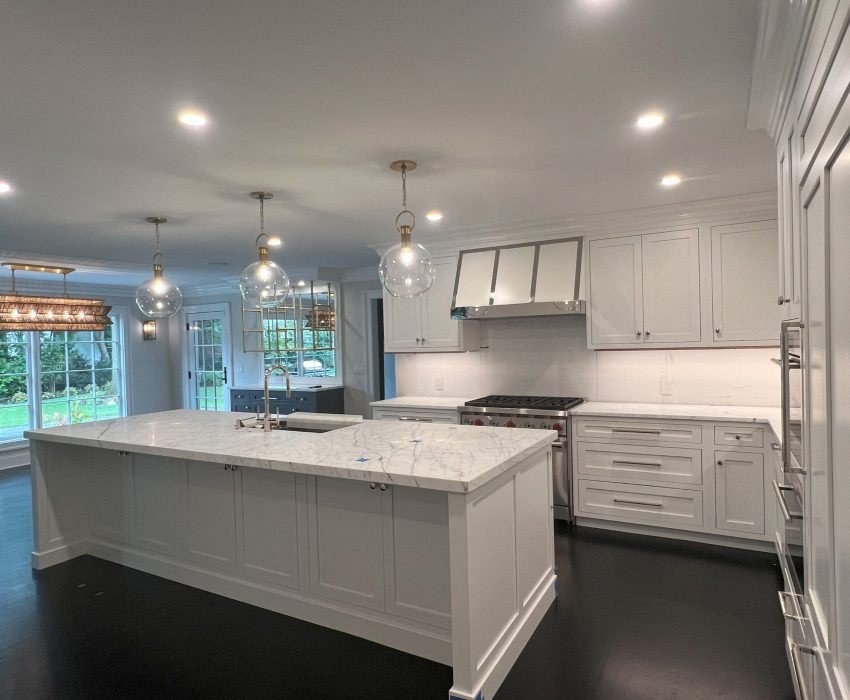
PS10 - White - PSS - Showcase Kitchens
Hood above kitchen range

How to Remove Cooking Smells from the Kitchen?

To remove cooking smells from the kitchen, start with the habits and maintenance steps that support the range hood’s performance.

Here are practical steps to try:

  1. Turn the hood on before or as cooking begins
  2. Use a higher fan speed for frying, searing, or high-heat cooking
  3. Cook on the back burners when possible, especially for high-odor foods
  4. Leave the hood running for 5 to 10 minutes after cooking
  5. Clean range hood filters regularly
  6. Check whether the filters are installed correctly
  7. Replace damaged or worn filters when needed
  8. Clean the hood canopy, both interior and exterior, when greasy to the touch
  9. Make sure the hood is deep enough to cover the front burners
  10. Confirm the hood is at the right height above the cooking surface
  11. Review blower strength and ducting if odors still linger

These steps can help, but they do not replace proper hood planning. If the hood is too shallow, too narrow, poorly ducted, or paired with the wrong blower setup, these steps alone may not solve the problem.

Should You Leave the Range Hood On After Cooking?

Yes. It is recommended to leave the range hood on for 5 to 10 minutes after cooking.

Steam, grease particles, and odors can remain in the kitchen air after the burners are turned off. Keeping the hood on for a few extra minutes helps continue venting the space.

That said, leaving the hood on afterward should not be the only solution. The ideal goal is immediate capture. A properly planned range hood should capture as much smoke, grease, and odor as possible while cooking is happening, not only after the smell has already spread.

Think of it this way:

  • Running the hood during cooking helps capture contaminated air at the source.
  • Running it for 5 to 10 minutes after cooking helps clear what remains.
  • Proper hood size, depth, blower selection, and ducting help prevent the odor from spreading in the first place.

Why Hood Depth Matters for Odor and Smoke Capture?

Range hood depth has a major effect on how much smoke, grease, steam, and particulate matter can be captured and exhausted out of the home.

This matters because many home chefs cook on the front burners. If the hood does not extend far enough over the front of the cooking surface, smoke and grease from those burners may rise in front of the hood instead of into it.

When that happens, the air is not captured immediately. It spreads into the kitchen first, and the hood has to work harder to clear it afterward.

A deeper hood gives the ventilation system a better chance to capture cooking air at the source.

For many kitchens, depth is just as important as width. A hood can be wide enough from left to right but still too shallow from front to back.

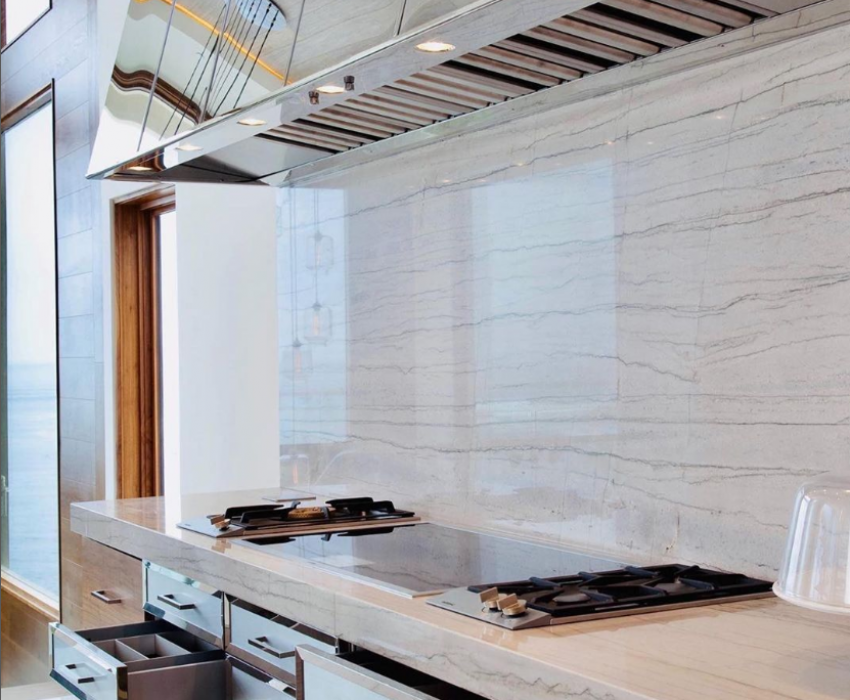
PS10 - PSS
Range hood depth over front burners

What Happens When a Hood Is Too Shallow?

When a hood is too shallow, smoke, grease, steam, and odor may not be pulled into the hood immediately. Instead, the contaminated air can escape into the kitchen.

If the hood is left on for an extended period, it may eventually exhaust some of that air. But by then, the odor may already be in the room, on nearby surfaces, or moving into open living areas.

A shallow hood can lead to:

  • Smoke escaping from the front burners
  • More grease settling on cabinets, shelves, or backsplash surfaces
  • Cooking odors spreading through the kitchen
  • Steam collecting around nearby finishes
  • More frequent use of higher fan speeds
  • Lingering smell after cooking
  • More noticeable odors in open-concept spaces

This is especially important for homeowners who prefer a shallower hood for design reasons. A shallow hood can look lighter and cleaner, but it may reduce capture performance if it does not properly cover the cooking surface.

That does not mean a shallow hood is always wrong. It means the design should be reviewed carefully. Hood depth, hood width, mounting height, cooking style, blower strength, and ducting should all be considered together.

Is Weak Airflow the Main Reason Cooking Smells Linger?

Weak airflow can be one reason, but it is not the only one.

Lingering odor is often caused by a combination of airflow, capture area, filter condition, ducting, hood size, and installation details. The blower system and ducting are especially important because they determine how effectively air is moved out of the kitchen.

If the hood captures smoke and grease but the blower or ducting cannot move that air efficiently, odor may still linger. On the other hand, a powerful blower cannot fully solve the problem if the hood is too shallow, too narrow, or installed too high.

Good ventilation depends on the full system:

  • The hood must capture the air
  • The range hood filters must allow air to pass through
  • The blower must move the air
  • The ducting must carry the air out efficiently
  • The installation must support the intended airflow

If one part of that system is not working well, cooking odors may stay in the home longer than they should.

How Range Hood Filters Affect Cooking Smells?

Range hood filters play a major role in ventilation performance. They help capture grease and particles before air moves through the hood and ducting system.

When filters are clean, air can move through the hood more easily. When filters are dirty, clogged, damaged, or not seated properly, the hood may struggle to pull air in.

Dirty range hood filters can contribute to:

  • Reduced airflow
  • More lingering kitchen odors
  • Grease buildup around the hood
  • Smoke escaping into the room
  • A hood that seems louder than usual
  • More frequent need to use higher fan speeds
  • More strain on the ventilation system

If your kitchen still smells after cooking, check the filters before assuming the whole hood needs to be replaced. Filter cleaning is one of the simplest maintenance steps, and it can make a noticeable difference when buildup is the issue.

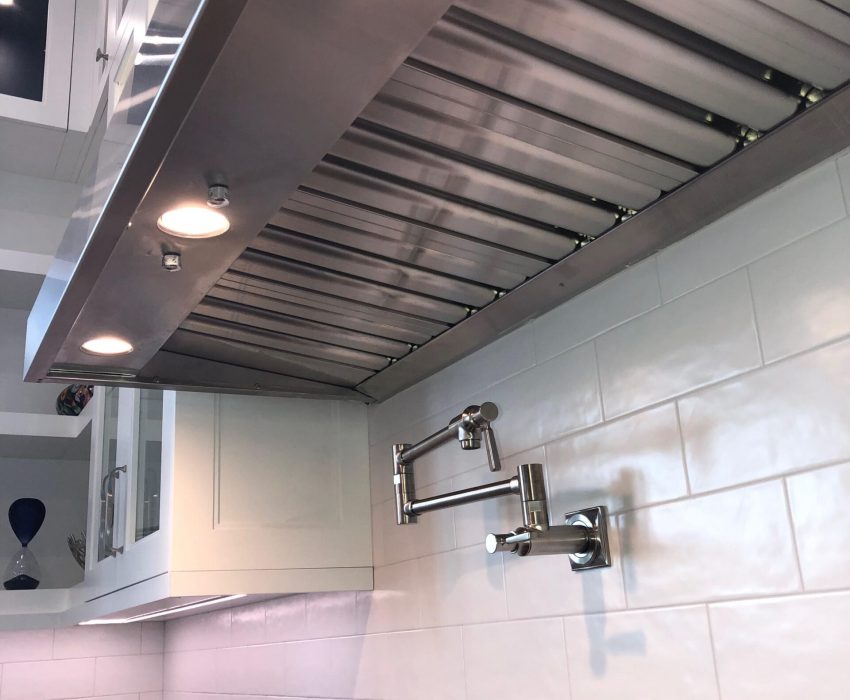
PS11 underside
Range hood filters helping capture grease

How to Clean Filters from a Range Hood?

The exact cleaning process depends on the filter type and the manufacturer’s use and care instructions. Always follow the care guidance for your specific hood or liner.

In general, many removable metal filters can be cleaned by following a simple process:

  1. Turn the hood off and let the cooking area cool
  2. Carefully remove the filters from the hood
  3. Check for heavy grease buildup or damage
  4. Wash the filters according to the manufacturer’s care instructions
  5. Let the filters dry fully before reinstalling
  6. Make sure the filters are seated correctly before using the hood again

For dishwasher-safe baffle filters, homeowners may be able to clean them in the dishwasher if the product instructions allow it. If filters are aluminum, mesh, specialty, or finish-sensitive, check the proper cleaning instructions before using harsh cleaners or high heat.

Avoid putting filters back into the hood while they are still wet. Also avoid using the hood without filters, since the filters help protect the interior of the hood and ducting system from grease buildup.  

Even the best range hood filters allow small amounts of grease to pass through over time. To keep your range hood performing its best, clean the interior and exterior of the hood canopy whenever the surfaces become greasy to the touch.

How Often Should Range Hood Filters Be Cleaned?

Filter cleaning frequency depends on how often you cook and what you cook.

A household that mostly does light cooking may not need to clean filters as often as a household that fries, sears, cooks with oil, uses a gas range, or cooks daily.

As a practical rule, check the filters regularly. If they feel greasy, look clogged, smell, or seem to reduce airflow, they should be cleaned.

You may need more frequent cleaning if:

  • You cook daily
  • You fry or sear often
  • You use the front burners frequently
  • You cook with oil or butter often
  • You cook foods with strong odors
  • You have a high-output gas range
  • You notice grease buildup around the hood
  • Your kitchen smells even when the hood is running

Clean filters help the hood do its job. They also help reduce grease buildup inside the ventilation system.

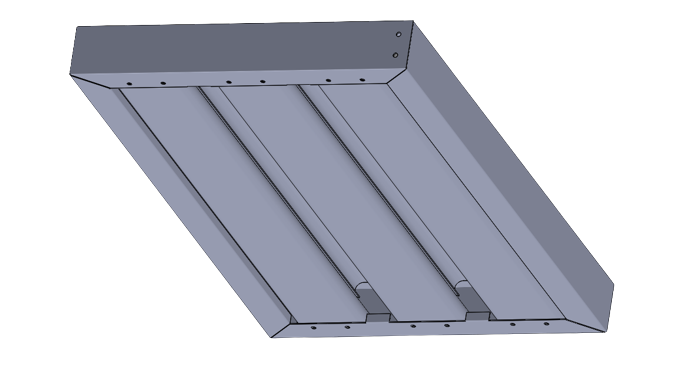
Stainless steel baffle filter insert for a kitchen range hood with angled panels for grease capture
Stainless steel baffle filter

How Ducting Affects Cooking Odors?

Ducting plays a major role in how well a range hood removes cooking odors.

In a ducted setup, the hood pulls contaminated air through the filters and exhausts it outside the home. If the ducting is too restrictive, poorly routed, too small, or has too many turns, airflow can be reduced.

When airflow is reduced, the hood may sound like it is running, but it may not move enough air to clear smoke and odor effectively.

Ducting can affect:

  • How quickly air leaves the kitchen
  • How much resistance the blower has to overcome
  • How loud the system feels during use
  • Whether odors are exhausted efficiently
  • Whether grease and steam are carried away properly

This is why ducting should be planned early, especially in custom kitchens, remodels, island installations, and larger range projects.

Does Hood Width Affect Cooking Smells?

Yes. Hood width affects capture area.

A hood should generally be at least as wide as the cooking surface. When possible, sizing the hood up by about 6 inches can provide better capture because it gives more coverage on each side.

If the hood is narrower than the range or cooktop, smoke and steam can escape from the sides. This can make odors more noticeable, especially during high-heat cooking.

For example:

  • A 36 inch range should usually have at least a 36 inch hood
  • If the kitchen layout allows, a 42 inch hood may provide better capture
  • A 48 inch range should usually have at least a 48 inch hood
  • If space allows, a 54 inch hood may help capture more air

Width is not the only factor, but it is an important one.

Does Range Hood Height Affect Odor Capture?

Yes. A hood that is installed too high may have a harder time capturing smoke, steam, grease, and odor before they spread.

A common range hood height is 30 to 36 inches above the cooking surface. When a hood is installed higher than the recommended range, the air has more time to expand outward before reaching the hood.

This can lead to more lingering odor, especially if the hood is also shallow or the kitchen is open to nearby living areas.

The right height should balance comfort, visibility, cooking space, and performance. If the kitchen design requires a higher installation, the hood width, depth, blower system, and ducting should be reviewed carefully.

Why Do Island Hoods Need Extra Planning?

Island range hoods often need more careful planning than wall hoods.

A wall hood has a wall behind it, which can help guide rising smoke and steam toward the hood. An island hood is open on every side, so air movement from the room can affect capture.

Island hoods may be affected by:

  • People walking around the island
  • Open windows or doors
  • HVAC air movement
  • Open-concept layouts
  • Ceiling ducting requirements
  • Higher visibility from multiple angles

For this reason, an island hood may need more capture area, careful depth planning, and a blower setup that matches the cooking surface and layout.

island range hood sized for open concept kitchen
Island range hood planned for open concept kitchen ventilation

Ducted vs. Ductless: Which Is Better for Cooking Odors?

For cooking odor removal, ducted ventilation is alwayspreferred when the home allows it.

A ducted range hood exhausts air outside the home. This helps remove smoke, grease, steam, and odors from the kitchen.

A ductless or recirculating setup filters air and returns it to the room. This may help reduce some particles and odors, but it does not exhaust the air outdoors. For homeowners who cook often, use high heat, or want stronger odor control, ducted ventilation is the better option to review.

This is especially important in:

  • Open-concept kitchens
  • Homes with large ranges
  • Kitchens used for frequent frying or searing
  • Island cooktop layouts
  • Homes where odor control is a top priority

What to Check If Your Kitchen Still Smells

Before assuming the hood is not working, review these items:

  • Are the range hood filters clean?
  • Are the filters damaged or due for replacement?
  • Is the hood turned on before or as cooking begins?
  • Is the hood left on for 5 to 10 minutes after cooking?
  • Is the hood at least as wide as the cooking surface?
  • Is the hood deep enough to cover the front burners?
  • Is the hood installed at the right height?
  • Is the cooking happening mostly on the front burners?
  • Is the blower strong enough for the cooking surface and cooking style?
  • Is the ducting properly planned?
  • Is the kitchen open-concept or affected by air movement?
  • Is the hood ducted outside or recirculating air?

If several of these items are concerns, the issue may be the full ventilation setup rather than one single part.


“Lingering cooking odors are usually not caused by one thing alone. Hood depth, capture area, blower effectiveness, ducting, and filter condition all play a role. The goal is to capture smoke, grease, and fumes right away, not only clear them after they have already spread.”

~ Modern Aire’s team

How Modern Aire Helps with Kitchen Ventilation Problems?

Modern Aire designs and manufactures wall hoods, island hoods, custom hoods, and liners for kitchens where both design and ventilation matter.

If your kitchen still smells after cooking, the solution is not always to choose the strongest blower. The right recommendation may depend on the full system:

  • Hood width
  • Hood depth
  • Mounting height
  • Wall or island placement
  • Range size
  • Cooking habits
  • Range hood filters
  • Blower type
  • Ducting plan
  • Whether a full hood or liner is needed

Modern Aire can help homeowners, designers, builders, architects, and cabinet makers think through these details before the project is finalized.

For example, a wall mount range hood may need the right width and depth to capture cooking air from the front burners. An island range hood may need extra planning because it is exposed on all sides. A range hood liner may be needed when a custom wood or cabinet-style hood is being built separately. Blower options should also be reviewed based on the cooking surface, ducting path, and sound expectations.

For a project-specific quote, homeowners and trade professionals can provide the range size, kitchen layout, hood dimensions, ducting direction, blower preference, material and finish direction, and any inspiration photos. This helps the dealer and Modern Aire review the best path before the hood is ordered.

custom Modern Aire range hood in finished kitchen design
Island range hood in finished kitchen design

When Should You Consider a New or Custom Range Hood?

You may want to consider a new or custom range hood if:

  • Your hood is narrower than your range
  • Your hood is too shallow for how you cook
  • Your kitchen still smells after regular cooking
  • Your house always smells after cooking
  • Smoke escapes from the front burners
  • Your range hood filters are clean but odors still linger
  • You are planning a kitchen remodel
  • You are installing a larger or higher-output range
  • You are moving from a wall range to an island cooking layout
  • You want a hood that fits a specific design, material, or finish
  • Your current blower or ducting does not support your cooking needs
  • You are building a custom wood, cabinet-style, or hidden ventilation enclosure

A custom hood can help align the look of the kitchen with the practical ventilation needs of the space. The goal is not just to add a larger hood. The goal is to plan the right hood for the way the kitchen is used.

FAQs About Cooking Smells and Range Hoods

Should I turn my range hood on before I start cooking?

Yes. Turning the range hood on before or as cooking begins helps create airflow before smoke, steam, grease, and odors spread. This is especially helpful when frying, searing, boiling, or cooking with oil.

Does cooking on the front burners make kitchen odors worse?

It can. Many home cooks use the front burners most often, but if the hood is too shallow, smoke and grease from the front burners may rise in front of the hood instead of into it. This is why hood depth matters.

Can opening a window help remove cooking smells?

Opening a window may help bring in fresh air, but it can also disrupt the airflow around the range hood. If the air movement pulls smoke away from the hood, it may make capture less effective. The best solution is still a properly sized and ducted hood.

When is range hood filter replacement needed?

Range hood filter replacement may be needed if filters are damaged, warped, missing, corroded, no longer fitting securely, or still greasy or odorous after cleaning. The replacement filter should match the hood or liner model and size.

Can a custom range hood help with lingering cooking smells?

Yes, a custom range hood can help when standard sizes do not fit the kitchen layout, cooking surface, ceiling height, or design goals. Custom sizing can support better width, depth, and capture area when planned correctly.


Cooking smells are normal, but they should not linger long after the meal is done. If your kitchen still smells after cooking, the issue may be related to hood depth, hood width, blower effectiveness, ducting, dirty filters, filter replacement needs, installation height, or how long the hood is left on after cooking.

For best results, turn the hood on while cooking and leave it running for 5 to 10 minutes afterward. Also keep range hood filters clean and replace them when they are damaged, worn, or no longer fitting properly.

Most importantly, remember that a well-planned hood should capture smoke, grease, steam, and odors as close to the cooking surface as possible.

Modern Aire can help you explore wall hoods, island hoods, custom hoods, liners, blower options, and replacement filters that fit your kitchen design and ventilation needs. To get project-specific guidance, find a dealer or contact Modern Aire before finalizing your range hood plans.