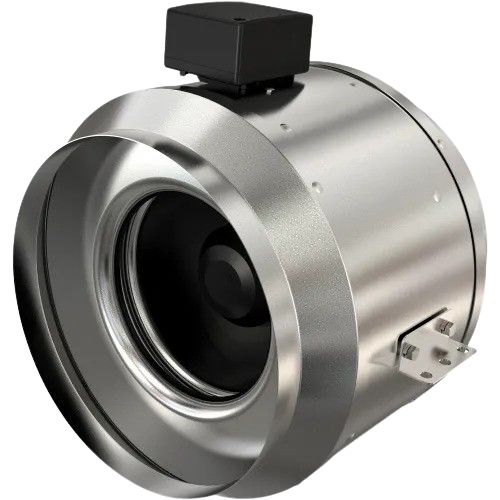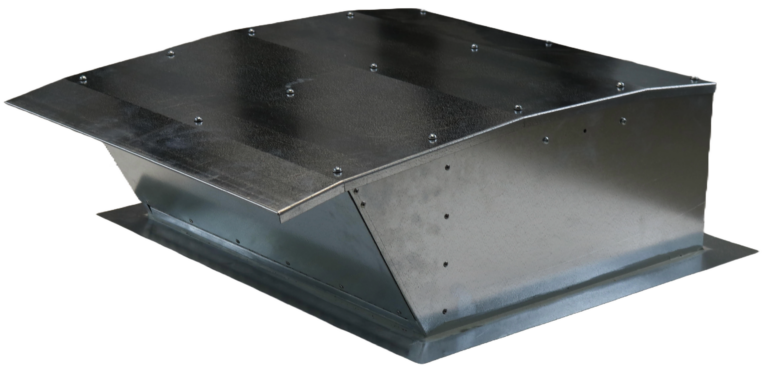
Compare professional series internal blower range hood, inline, and external blower options to match your kitchen layout, ducting, and cooking demands along with sound ratings.
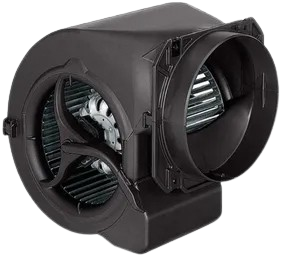
One 8” duct recommended
Minimum duct size 6”
(reducer required under 8” round)
One 10” duct recommended
Minimum duct size 10”
(reducer required under 10” round)

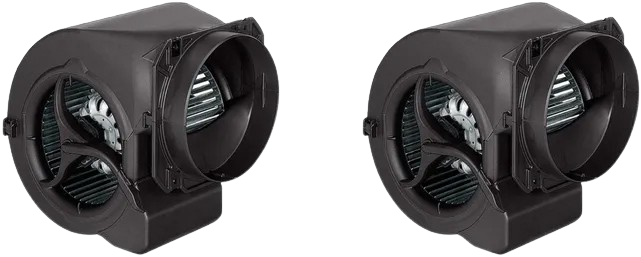
Two 10” duct recommended
Minimum duct size 10”
(reducer required under 10” round)
Modern-Aire offers all our rangehoods with the option of internal blower motors ranging from 200 cfm to 2400 cfm.
High Speed 62 dBA
Low Speed 50 dBA
Background Sound Level 39 dBA
Distance 12” Below Filter Intake
High Speed 64 dBA
Low Speed 51 dBA
Background Sound Level 40 dBA
Distance 12” Below Filter Intake
Modern Aire proudly sells fantech inline blowers for use with all our hoods
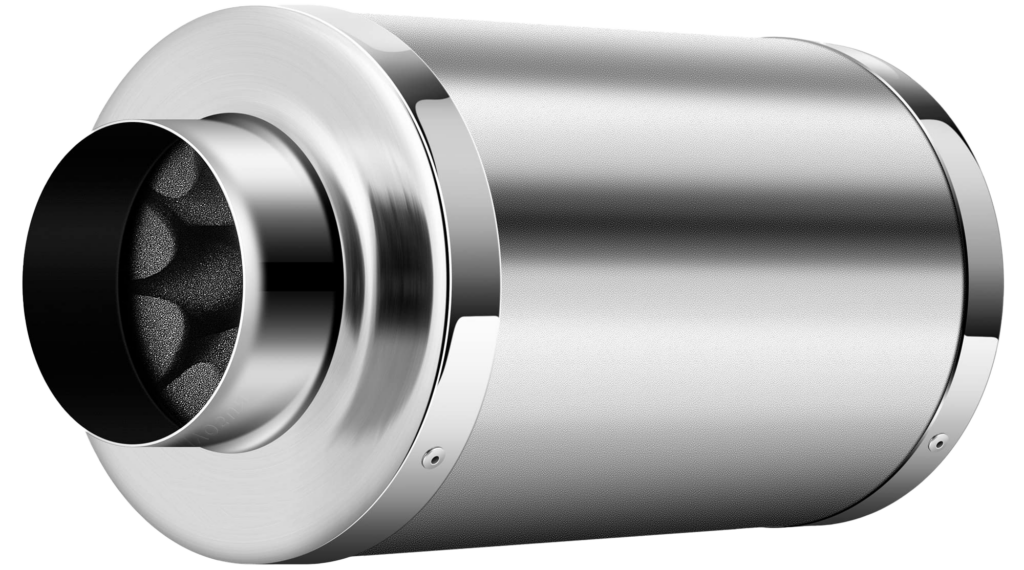
Duct silencer is available for both 8″ and 10″ ducting applications and is recommended for the ultimate in quiet kitchen ventilation.
| Blower Type | Best For | Noise Consideration | Installation Location | Typical Use |
| Internal Blower | Straightforward installations where the motor can be housed directly inside the range hood | Because the motor is inside the hood, more operating sound is heard in the kitchen | Inside the range hood | Standard residential kitchens with relatively simple or shorter duct runs |
| Inline Blower | Kitchens where quieter operation is important but an exterior-mounted blower is not practical | Moving the motor away from the hood can reduce the amount of blower noise heard in the kitchen | Installed farther along the duct run, often in an attic or ceiling space | Longer duct runs or projects where reducing in-kitchen noise is a priority |
| External / Remote Blower | Projects where quieter in-kitchen operation is a major priority | The motor is positioned outside the home, so less motor noise is heard near the cooking area | Mounted on the roof or an exterior wall | Premium kitchens, higher-capacity ventilation systems, or installations with suitable exterior access |
| Recirculating / Ductless | Kitchens where venting air outdoors is not possible | Noise varies by hood and blower configuration because the system still operates inside the kitchen | Integrated into the hood or ventilation system | Apartments, renovations, or kitchens where an exterior duct path cannot be installed |
An internal blower range hood has the motor inside the hood, while an external blower range hood places the motor farther away, often helping reduce sound inside the kitchen. Inline and external blowers can provide another balance between power and noise control.
CFM range depends on your cooking equipment, fuel type, kitchen layout, duct run, and how heavily you cook. A general recommendation is to take the max BTU output of the accompanying range and divide it by 100 to get the max CFM necessary assuming all burners are on high simultaneously.
Quiet range hood performance depends on the full system, not just one part. External and inline blower configurations can help reduce sound in the kitchen, especially when paired with proper ducting and hood sizing.
Many blower options can work with liners and custom canopy projects, but the right combination depends on the model and installation requirements.
Modern Aire offers ductless ventilation solutions that recirculate filtered air back into the home, making them an option for spaces where traditional ductwork is not possible. These systems use filtration to help reduce smoke, odors, and airborne grease. However, ductless hoods are generally less effective than externally vented systems and should typically only be used when venting to the outside is not feasible.
Yes, an external blower can help reduce noise in the kitchen because the motor is located farther away from the hood. Modern Aire also offers a duct silencer option for even quieter kitchen ventilation.
The best blower for a long duct run depends on the duct length, number of turns, required CFM, and hood model. Modern Aire also lists different duct size recommendations based on blower capacity, so longer runs should be reviewed carefully before ordering.
Choose an internal blower when the duct run is short and installation simplicity matters. Choose an inline blower when you want to reduce kitchen noise but cannot mount the blower outside. Choose an external blower when quiet operation is a priority and roof or side-wall installation is practical.