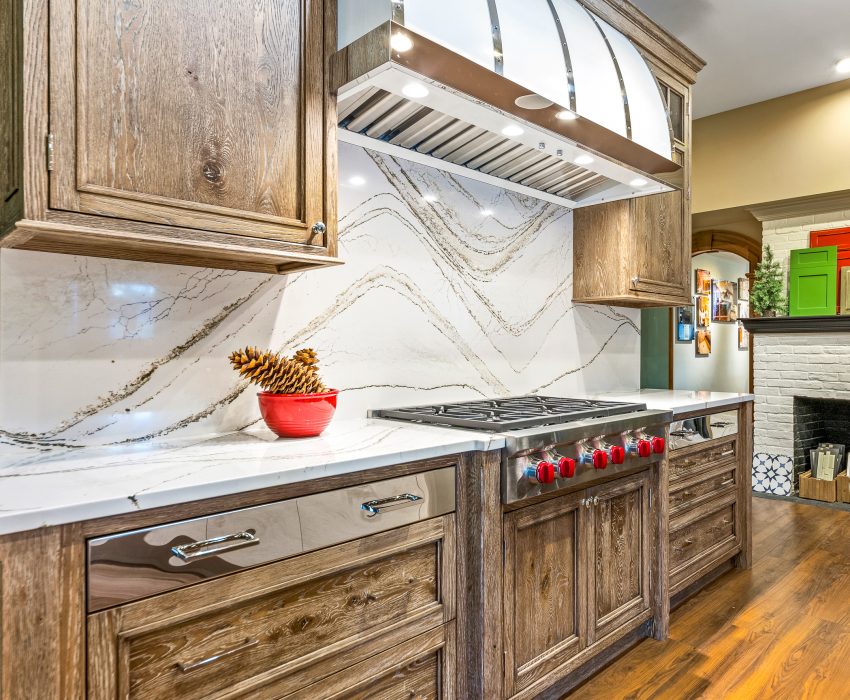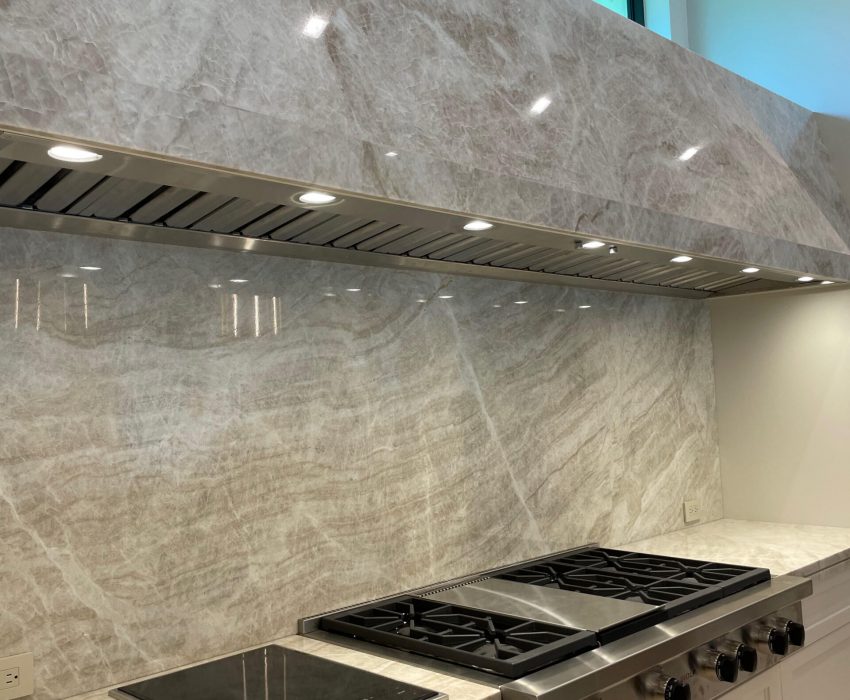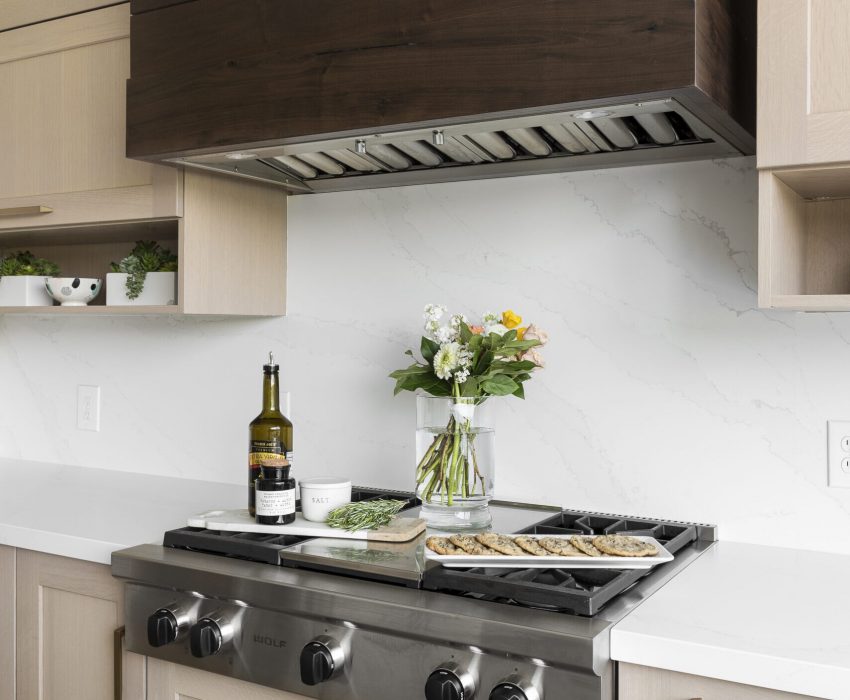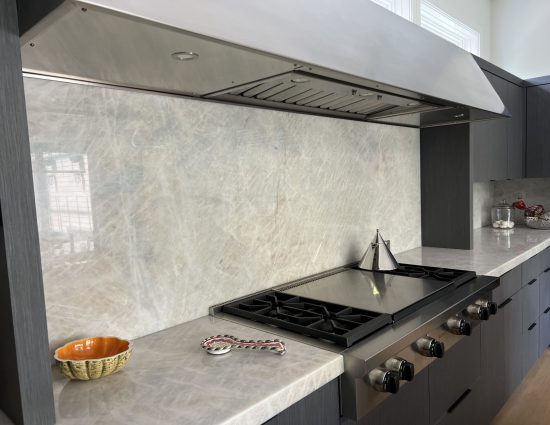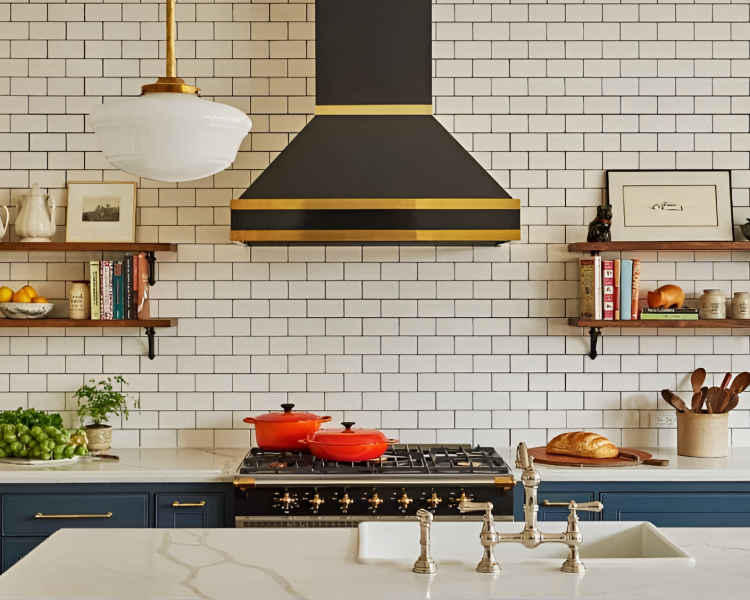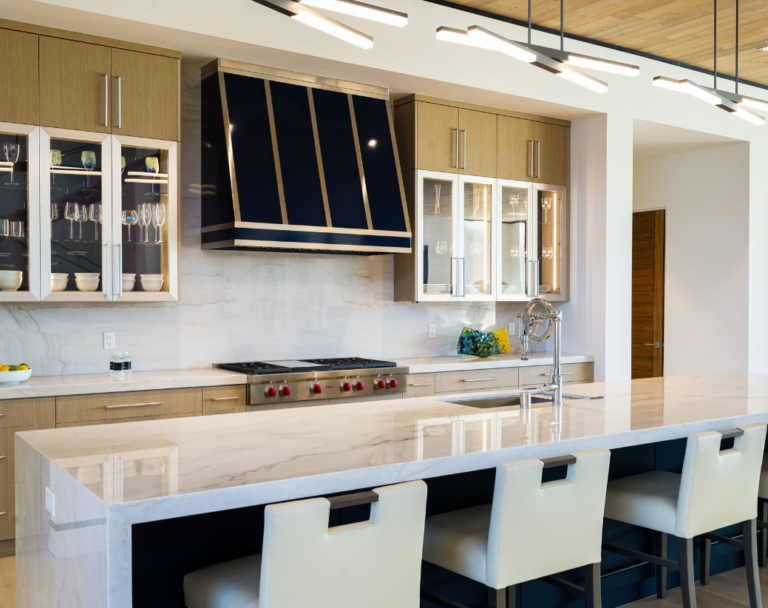
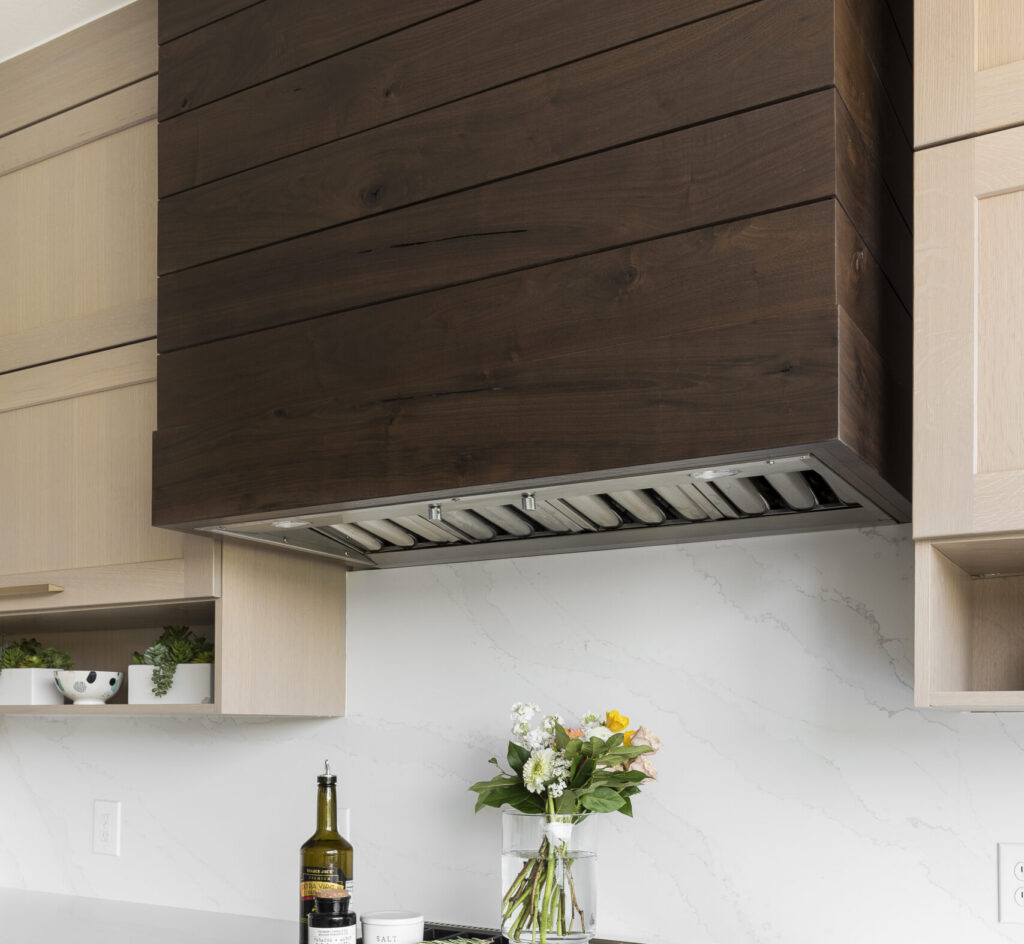
A range hood liner, also called a range hood insert, is the ventilation unit installed inside a custom hood enclosure. The outside of the hood may be built from wood, cabinetry, millwork, tile, plaster-style materials, or another decorative finish, while the liner handles the airflow, filters, lighting, blower support, and duct connection.
You usually need a liner when a designer, cabinet maker, millworker, or builder is creating the visible hood enclosure separately. If you choose a full custom hood from Modern Aire, you typically do not need a separate liner because the hood is built as one continuous unit with the internal ventilation components integrated into the overall design.
What Is a Range Hood Liner?
A range hood liner is the working ventilation system that fits inside a custom hood enclosure. It is sometimes called a range hood insert, vent hood liner, vent hood insert, or range hood liner insert.
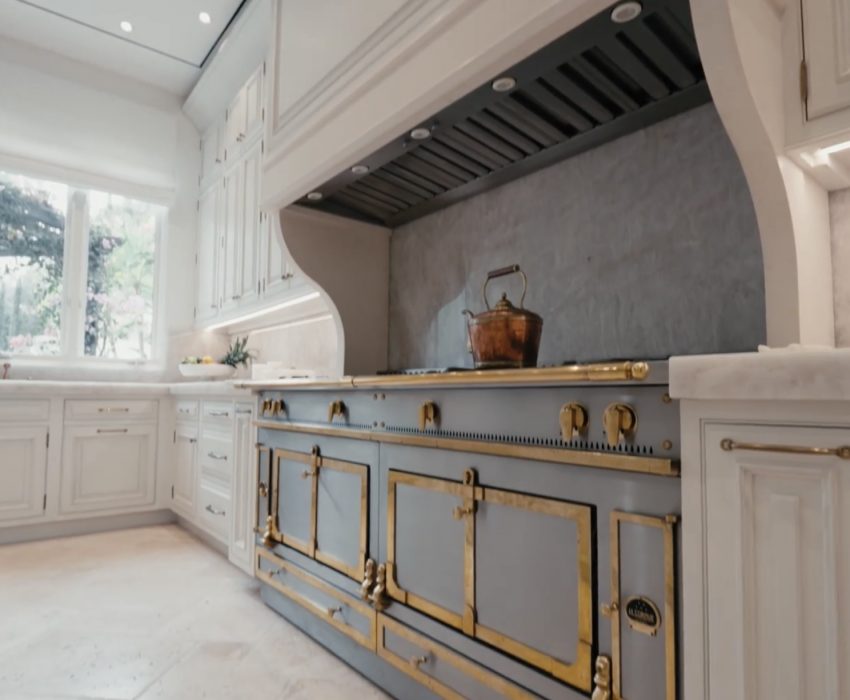
The liner is usually hidden once the custom hood is finished. From the outside, you may only see the decorative hood surround. Inside, the liner does the practical work.
A range hood liner may include:
- Stainless steel construction
- Baffle or mesh filters
- Lighting
- Controls
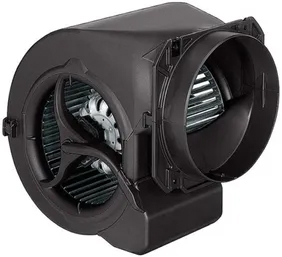
- Internal, inline, or external blower compatibility
- Duct connection support
- The ventilation structure needed inside the enclosure
In simple terms, the liner is the functional core of a custom hood. The enclosure is the visible design. The liner is what helps the hood actually perform.
This is especially important for custom ventilation hoods where the homeowner wants the finished hood to match the cabinetry, millwork, kitchen style, or overall design.
Range Hood Liner vs Range Hood Insert: Is There a Difference?
The terms range hood liner and range hood insert are often used in similar ways. In many kitchen projects, they refer to the same type of built-in ventilation unit.
A liner or insert is installed inside a custom hood shell. The goal is to allow the visible exterior to be designed separately while the liner provides ventilation.
For homeowners, the important thing is not the name. The important thing is fit. The liner must work with the internal dimensions of the hood enclosure, the cooking surface, the blower setup, the ducting path, and the way filters and controls will be accessed.
When Do You Need a Range Hood Liner?
You usually need a range hood liner when the outside of the hood is being built separately from the ventilation system.
This is common when the kitchen design includes:
- A custom wood hood
- A cabinet-style hood enclosure
- A hood built by a cabinet maker or millworker
- A plaster-style or tile-covered hood
- A hidden ventilation design
- A wall canopy built around the kitchen cabinetry
- An island canopy built to match the room’s design
- A decorative hood that needs a functional ventilation system inside
In these projects, the liner allows the visible hood exterior to match the design of the kitchen while still giving the space the ventilation support it needs.
For example, a homeowner may want a custom wood hood that matches the cabinetry. The cabinet maker can build the exterior enclosure, while the liner provides airflow, filtering, lighting, and blower compatibility inside.
When Do You Not Need a Separate Liner?
You may not need a separate liner if you choose a complete custom hood from Modern Aire.
This is an important distinction.
If you are purchasing a standard metal hood unit from most of the manufacturers, including Modern Aire, the ventilation system is already built into the hood. These units are designed as complete, self-contained products, so a separate liner is not required.
Similarly, Modern Aire’s full suite of products, including standard wall hoods, island hoods, and fully custom hoods, are engineered as complete systems with integrated ventilation components. Because of this, a separate liner is not needed when selecting any of these options.
A separate liner is primarily required when the exterior hood enclosure is being built by someone else, such as a cabinet maker or contractor, and the ventilation system needs to be installed inside that custom structure.
Here is an easy way to think about it:
Project Type |
|
|
Custom wood hood built by a cabinet maker |
|
|
Cabinet-style hood enclosure |
|
|
Tile, plaster-style, or millwork hood enclosure |
|
|
Modern Aire full (standard or custom hood) |
|
|
Standard wall or island hood |
|
|
This distinction helps avoid confusion early in the planning process. A liner is not something to add automatically to every hood project. It depends on how the hood is being built and who is providing the exterior structure.
Why Do Internal Dimensions Matter?
One of the most common mistakes in custom hood planning is focusing only on the outside dimensions.
Homeowners may choose the width, height, depth, and design of the visible hood, but forget to confirm whether the liner can actually fit inside the enclosure. This can create problems for cabinet makers, millworkers, designers, and installers.
The external canopy may look large enough from the outside, but the internal opening may be too small once you account for:
- Wood thickness
- Cabinet framing
- Side panels
- Trim details
- Bottom rail dimensions
- Decorative bands
- Clearance for filter removal
- Lighting or control access
- Duct connection space
- Blower configuration
- Installation fasteners and support
This is why the internal dimensions of the hood enclosure matter so much.
A liner is not sized only by the outside look of the hood. It must fit into the real available space inside the enclosure. If the internal space is too narrow, too shallow, or too tight, the selected liner may not fit or may be difficult to service after installation.
What Happens If the Liner Does Not Fit?
If a range hood liner is specified without confirming the internal dimensions, several problems can happen.
The liner may:
- Be too wide for the opening
- Be too deep for the enclosure
- Interfere with cabinet framing or trim
- Leave no room for proper mounting
- Make filter removal difficult
- Create access issues for controls or lighting
- Conflict with ductwork or blower placement
- Require last-minute cabinet modifications
- Delay the project
- Lead to extra costs or redesign work
This is why liner planning should happen before cabinetry or millwork is finalized.
For homeowners, this may feel like a small technical detail. For cabinet makers and designers, it is one of the most important parts of getting the hood right.
The liner should not be selected after the custom enclosure is already built. It should be part of the planning conversation from the beginning.
Standard vs Custom Range Hood Liners
Modern Aire offers standard and custom liner options. Standard sizes can be a strong starting point when the cabinet maker or designer can build the hood enclosure around an available liner size. Custom liners may be helpful when the kitchen design, enclosure shape, width, depth, or installation details require something more specific.
Here is a simple comparison:
Option |
|
|
| Projects where the enclosure can be built around available liner dimensions | Width, depth, blower type, ducting, and filter access |
| Projects with unique enclosure dimensions or special design needs | Cabinet plans, target dimensions, cooking surface size, ducting direction, and access |
| Projects where the entire hood should be manufactured as a complete finished unit | Hood style, dimensions, material, finish, blower type, and installation details |
For standard liners, the cabinet maker or designer should confirm the liner’s width and depth before building the enclosure. For custom liners, the project team should provide drawings, target dimensions, cooking surface size, ceiling height, and ducting direction before approval.
A custom liner is not just about making something fit. It is about making sure the ventilation system works properly inside the planned enclosure.
What Should Cabinet Makers and Millworkers Know?
Cabinet makers and millworkers play a major role in successful liner projects. The visible hood may be part of the cabinetry package, but the liner is an appliance component that needs clearance, access, and support.
Before building the enclosure, cabinet makers and millworkers should confirm:
- The exact liner model
- The liner width
- The liner depth
- The required opening size
- The bottom opening details
- The enclosure’s internal width and depth
- Filter removal clearance
- Lighting and control access
- Duct location
- Blower configuration
- Mounting and support requirements
- Any trim that may reduce internal space
A beautiful enclosure can still cause issues if the liner cannot be installed, accessed, or serviced properly.
This is why cabinet plans should be reviewed before final construction. A few early measurements can prevent major changes later.
What Should Designers Know?
Designers often lead the visual direction of the kitchen. They may choose the hood shape, proportions, material, finish, trim, and how the hood relates to the cabinetry, backsplash, and ceiling.
For a range hood insert or liner project, designers should also account for the internal requirements of the ventilation system.
Before finalizing the design, designers should confirm:
- Whether the project needs a liner or a full custom hood
- The size of the cooking surface below
- Whether the hood is wall mounted or over an island
- Whether the liner depth supports the cooking surface
- Whether trim details reduce usable internal space
- Whether the blower will be internal, inline, or external
- How filters will be removed
- Where controls and lights will be accessed
- Whether the duct route works with the ceiling, wall, or cabinet plan
This does not mean the design has to be compromised. It means the liner should be included in the design process early.
The strongest result happens when the decorative hood and the ventilation system are planned together.
What Should Homeowners Know?
Homeowners do not need to know every technical detail, but they should understand one key point: the outside of the hood and the inside of the hood are not the same thing.
A custom hood enclosure may look large enough from the outside, but the liner must fit inside the actual internal opening.
Before choosing a range hood liner insert, homeowners should ask:
- Who is building the visible hood enclosure?
- Is the enclosure wood, cabinetry, millwork, metal, tile, or another material?
- What are the internal dimensions?
- What size is the range or cooktop?
- Is the hood against a wall or over an island?
- Will the liner be deep enough to capture smoke and steam?
- What blower option will be used?
- Has the cabinet maker or installer reviewed the liner specifications?
- Will the filters be easy to remove and clean?
- Should the project use a liner or a complete custom hood instead?
These questions help avoid the most common planning problems.
Blower Compatibility: Internal, Inline, and External Options
A vent hood liner must also work with the right blower setup.
The blower is the motor system that moves air through the liner and ductwork. Depending on the project, the blower may be installed inside the liner, within the duct run, or farther away from the kitchen.
Here is a simple guide:
|
|
|
Internal blower |
|
|
Inline blower |
|
|
External blower |
|
|
The best blower type depends on the cooking surface, duct layout, desired sound level, ceiling or wall construction, and installation plan.
For example, a homeowner who cooks often on a large gas range may need a different setup than someone with a smaller electric or induction cooktop. An island hood may also require more careful ducting because the ventilation path often runs through the ceiling.
Blower compatibility should be reviewed before the liner is ordered. The liner, blower, ductwork, and enclosure all need to work together.
Range Hood Liner Sizing Checklist
Before ordering a range hood liner, gather the following details:
- Cooking surface width
- Cooking surface type, such as gas, electric, or induction
- Wall or island installation
- Desired hood enclosure width
- Internal enclosure width
- Internal enclosure depth
- Internal enclosure height
- Liner opening size
- Cabinet or millwork drawings
- Trim details that may reduce internal space
- Duct direction
- Ceiling height
- Blower preference
- Filter access needs
- Control and lighting access
- Any inspiration photos
- Whether you are choosing a liner or a full custom hood
This information helps Modern Aire, the dealer, designer, cabinet maker, and installer confirm the right path before the order is finalized.
“One of the most common liner issues happens when the outside of the canopy is planned, but the inside dimensions are not confirmed. The liner has to fit inside the actual opening, not just the overall hood shape.”
~Modern Aire’s Team
How Modern Aire Helps with Range Hood Liners and Inserts?
Modern Aire manufactures liners for custom wall and island hood enclosures, as well as full custom hoods for projects where the entire hood should be built as one finished unit.
That distinction matters.
If your cabinet maker, millworker, or builder is creating the visible exterior, a Modern Aire liner can provide the ventilation system inside the custom enclosure. If you want Modern Aire to manufacture the full custom hood, the internal ventilation components are integrated into the hood design, so a separate liner is usually not needed.
Modern Aire can help project teams think through:
- Whether the project needs a liner or a full custom hood
- Standard vs custom liner sizing
- Wall vs island installation
- Internal enclosure dimensions
- Blower compatibility
- Ducting direction
- Filter and control access
- Custom project quote details
For a project-specific quote, homeowners and trade professionals should provide the model direction, cabinet drawings, internal enclosure dimensions, cooking surface size, ducting plan, blower preference, and any inspiration photos. This helps the dealer and Modern Aire review the fit before the project moves too far into construction.
Common Mistakes to Avoid
A range hood liner is not difficult to understand, but it does need to be planned correctly.
Here are the most common mistakes to avoid:
Mistake |
|
Choosing the liner after the enclosure is built |
|
Measuring only the outside of the hood |
|
Forgetting trim and panel thickness |
|
Choosing a liner that is too shallow |
|
Not confirming blower compatibility |
|
Not planning filter access |
|
Treating a liner and full custom hood as the same thing |
|
Planning these details early helps protect the design, timeline, and final result.
FAQs About Range Hood Liners and Inserts
Do I need a liner for a custom wood hood?
Yes, in most cases. If the visible wood hood is being built by a cabinet maker or millworker, a liner is typically needed inside the enclosure to provide ventilation.
Do I need a liner if I order a full custom hood from Modern Aire?
Usually no. If Modern Aire builds the full custom hood as a complete unit, the internal ventilation components are integrated into the hood design. A separate liner is mainly needed when another team is building the exterior enclosure.
What dimensions matter most for a range hood liner?
The most important dimensions are the liner width, liner depth, internal enclosure width, internal enclosure depth, bottom opening, duct location, and access for filters, controls, and lighting.
Can a range hood liner work with an internal, inline, or external blower?
Yes, depending on the liner model and installation plan. The best blower option depends on cooking needs, ducting, kitchen layout, and desired sound level.
Can I use a range hood liner for an island hood?
Yes, liners can be used in wall and island canopy designs when the product specifications, enclosure dimensions, and blower setup are planned correctly.
Should I choose a standard liner or custom liner?
A standard liner may work if the custom enclosure can be built around available liner dimensions. A custom liner may be better when the enclosure design, dimensions, depth, ducting, or installation needs are more specific.
A range hood liner may be hidden, but it is one of the most important parts of a custom hood project. It allows homeowners, designers, cabinet makers, and millworkers to create a beautiful exterior while still giving the kitchen a functional ventilation system inside.
The key is planning the liner before the enclosure is built. Internal dimensions, depth, blower compatibility, ducting, filter access, and control access should all be confirmed early.
If you are planning a cabinet-style hood, island enclosure, or custom ventilation hood, Modern Aire can help you review whether a liner, custom liner, or full custom hood is the right fit.
To get project-specific guidance, find a dealer or contact Modern Aire before finalizing cabinetry or placing your order.