
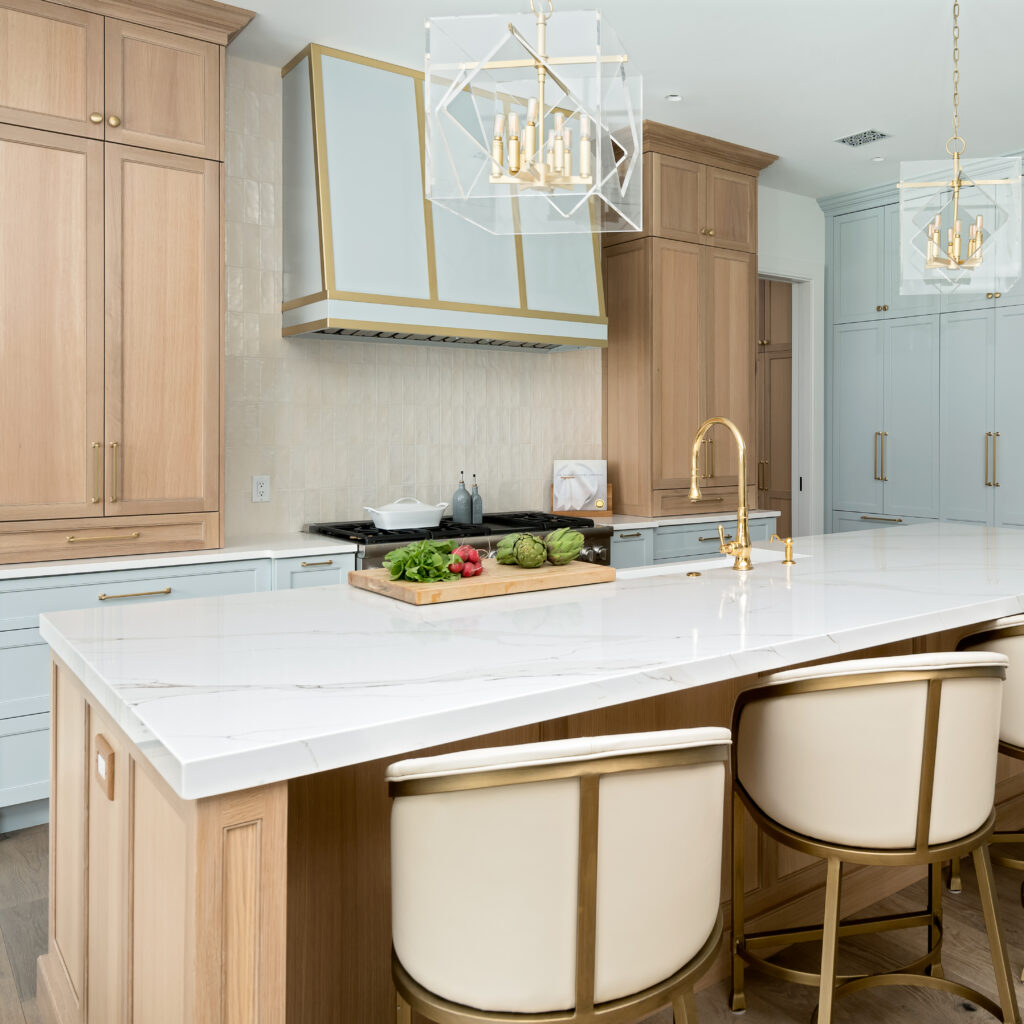
A range hood should be at least as wide as your range or cooktop and, when possible, up to 6 inches wider. A common range hood height is 30 to 36 inches above the cooking surface. For depth, wall mount and island range hoods often perform best at 24 to 27 inches deep, while liners and inserts should ideally be at least 20 inches deep.
The right size depends on your cooking surface, kitchen layout, ceiling height, hood depth, ducting plan, and whether the hood is wall mounted, installed over an island, or built into a custom enclosure.
Choosing the right range hood size is one of the most important steps in planning a kitchen that looks finished and works well for everyday cooking. A hood is not only a design feature. It also helps capture smoke, steam, grease, heat, and cooking odors before they spread through the kitchen.
The simplest rule is this: your range hood should be at least as wide as your range or cooktop. If the space allows, sizing up by about 6 inches gives the hood more capture area. That usually means about 3 inches of extra coverage on each side.
For example, a 36 inch range hood may work over a 36 inch range, but a 42 inch hood can offer better capture if the layout allows it. A 48 inch range hood may work over a 48 inch range, but a 54 inch custom hood may be a better fit for larger cooking surfaces, open kitchens, or frequent high-heat cooking.
The best choice depends on more than width. Range hood height, range hood depth, wall or island placement, ceiling height, ducting, blower selection, and cooking style all matter.
What to Measure |
|
|
| At least as wide as the range; up to 6 inches wider when possible | Helps capture smoke and steam from the sides |
| Usually 30 to 36 inches above the cooking surface | Balances cooking comfort with capture performance |
| Ideally 24 to 27 inches | Helps cover front and back burners |
| Ideally around 27 inches | Island hoods are exposed to air movement from all sides |
| Ideally at least 20 inches | Supports better capture inside a custom enclosure |
| Depends on design and hood style | Affects hood proportions and custom height needs |
| Heavy cooking may need more capture area | Frying, searing, and gas cooking produce more heat, smoke, and grease |
Range hood width is usually the first measurement homeowners think about. It is also one of the easiest to get right.
As a general rule, the hood should be:
Here is a simple range hood width guide:
Cooking Surface Width |
|
|
30 inches |
|
|
36 inches |
|
|
42 inches |
|
|
48 inches |
|
|
60 inches |
|
|
This does not mean every kitchen must use the wider option. Cabinet layout, wall space, ceiling details, backsplash design, and overall kitchen proportions all matter. However, the wider option usually gives the hood more capture area.
If there is not enough room for extra width, the hood should not be narrower than the cooking surface.
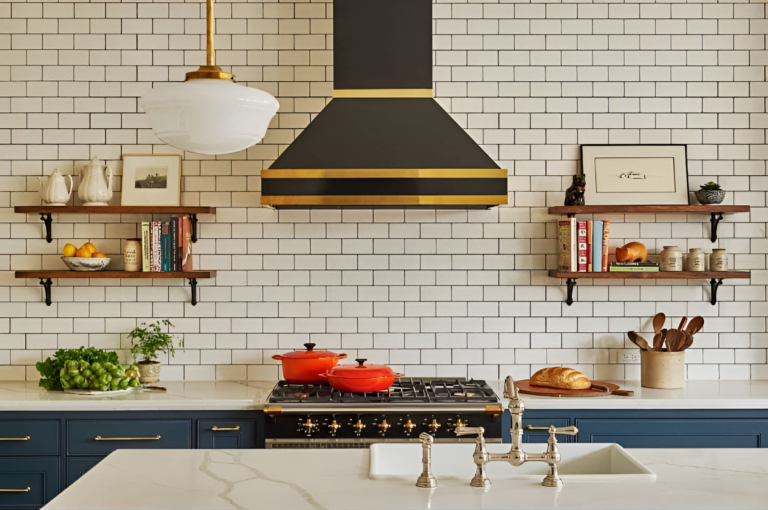
Capture area is the space under the hood that helps collect smoke, steam, grease, and heat as they rise from the cooking surface.
When cooking is light, steam may rise mostly straight up. But when cooking at higher heat, using multiple burners, frying, searing, or cooking on a larger gas range, air does not always move in a straight line. Smoke and grease can spread outward before the hood has a chance to capture them.
This is why range hood width and range hood depth both matter.
A hood with more capture area can help reduce:
Capture area is especially important in open-concept kitchens, island cooktop layouts, larger gas ranges, and kitchens where the hood is installed higher than usual.
The goal is not just to move air. The goal is to capture cooking air before it spreads.
Range hood height usually means the distance between the cooking surface and the bottom of the hood.
A common standard range hood height is 30 to 36 inches above the cooking surface. This range gives many homeowners enough working space while keeping the hood close enough to capture smoke and steam effectively.
Here is a simple height guide:
Installation Height |
|
30 inches |
|
32 to 34 inches |
|
36 inches |
|
Above 36 inches |
|
The higher the hood is installed, the harder it may be for the hood to capture smoke, steam, and grease before they spread. If the kitchen design calls for a higher installation, the hood may need to be wider, deeper, or reviewed with the full ventilation setup in mind.
Whether the range hood goes to the ceiling is usually a design decision.
Some homeowners prefer a tall hood body that continues to the ceiling. This can create a strong architectural look, especially in kitchens with higher ceilings or large ranges. Others prefer a shorter hood, chimney-style design, or a hood that works with cabinets, shelves, beams, or a full-height backsplash.
From a performance standpoint, the most important height measurement is the distance between the cooking surface and the bottom of the hood. The upper portion of the hood affects the overall design, scale, and visual balance of the kitchen.
For example, a kitchen with 9-foot ceilings may need a taller hood body to feel proportional. A kitchen with a decorative backsplash or open shelving may need a different hood shape. This is where custom height can be helpful.
The hood should look like it belongs in the kitchen, but it should also be installed at a practical height for ventilation.
Range hood depth is often overlooked, but it has a major impact on performance.
For many wall mount range hoods, a depth of 24 to 27 inches is ideal. For island range hoods, a depth of about 27 inches is often recommended because the hood is open on all sides. For liners and inserts, a depth of at least 20 inches is ideal for stronger capture.
Here is a practical range hood depth guide:
Hood Type |
|
|
|
|
|
|
|
|
|
Depth should help cover the cooking surface from front to back. If the hood is too shallow, smoke and steam from the front burners may roll past the hood instead of being captured.
Many customers want to reduce range hood depth for aesthetic reasons. A shallower hood can look lighter, especially in a kitchen with clean lines, open shelving, or a more minimal design.
However, reducing depth can affect performance.
When the hood is too shallow, it may not reach far enough over the front burners. This can lead to:
This does not mean a shallower hood is never possible. It means the tradeoff should be discussed before the hood is ordered. If the design requires less depth, the hood width, installation height, blower type, and cooking habits should all be reviewed together.
A hood can be beautiful and still practical. The best result comes from balancing the look of the kitchen with the ventilation needs of the cooking surface.
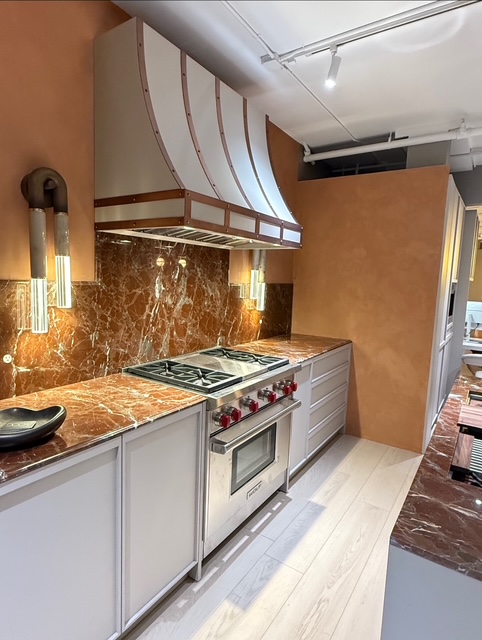
A wall mount range hood is installed against the wall above a range or cooktop. Because the wall helps guide rising air toward the hood, wall hoods can sometimes be more forgiving than island hoods.
For wall mount range hood sizing, start with these guidelines:
A wall mount range hood can also become a major design feature. The right size should feel proportional to the range, cabinetry, backsplash, and ceiling height.
A hood that is too small may make a larger range feel unsupported. A hood that is too large without the right design balance may overpower the wall. Custom sizing can help create a more intentional fit.
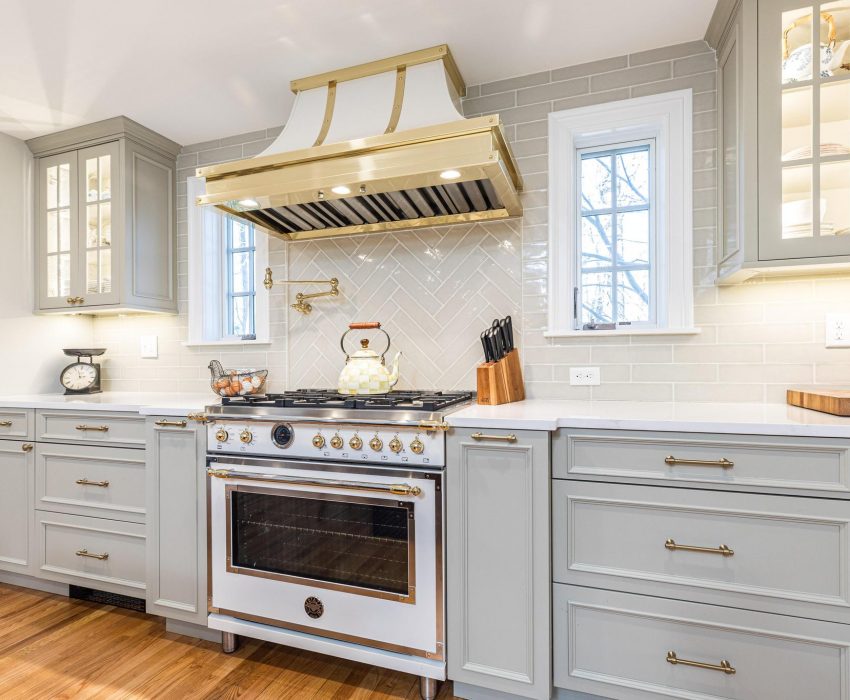
An island range hood is installed over a range or cooktop located on an island or peninsula. Island hoods need extra attention because they are exposed to room movement from every direction.
Unlike a wall hood, an island hood does not have a wall behind it to help contain smoke and steam. Air movement from people walking by, open windows, HVAC vents, and the shape of the room can affect capture.
For island range hood sizing, consider these guidelines:
Island hoods are often highly visible, so design matters as much as sizing. The hood should look finished from every angle while still providing enough capture area for the cooking surface below.
If you are planning an island hood for an open-concept kitchen, review the size before finalizing cabinetry, lighting, ceiling details, ducting, or appliance placement.
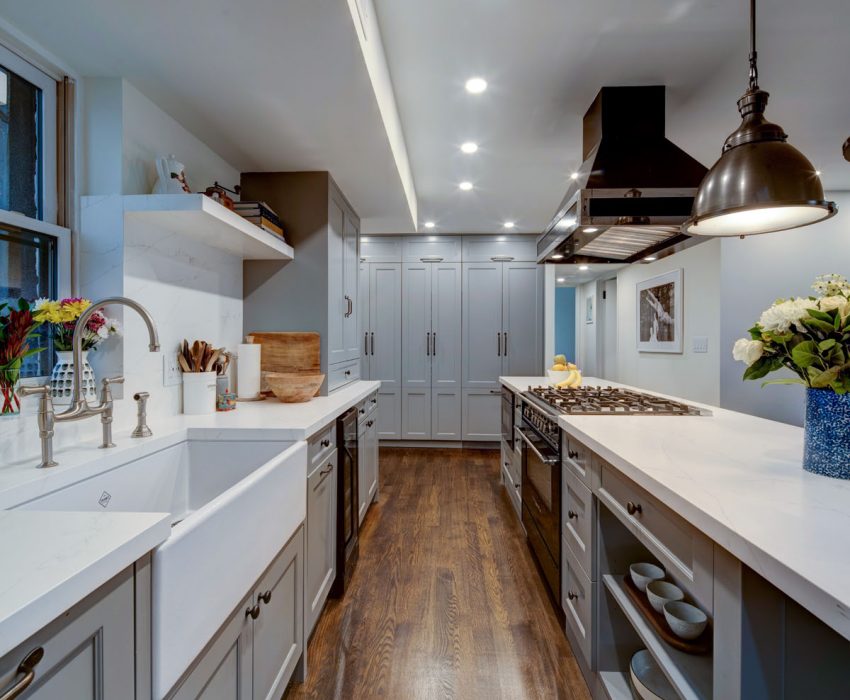
A 36 inch range is common in many custom kitchens. For a 36 inch range, the hood should be at least 36 inches wide. If the kitchen has enough room, a 42 inch hood is often a stronger choice because it provides about 3 inches of overhang on each side.
For a 36 inch range, consider:
A 36 inch range hood can work when space is limited. However, if the range is gas, the homeowner cooks often, or the kitchen is open to the rest of the home, the wider option may offer better capture.
A 48 inch range needs more careful planning because it usually has more burners, more cooking surface, and more heat output.
For a 48 inch range, the hood should be at least 48 inches wide. If space allows, a 54 inch hood is often ideal.
For a 48 inch range, consider:
A 48 inch range hood can work well when space is limited, but a wider custom hood may improve capture area. This is especially helpful for gas ranges, high-heat cooking, island layouts, and open kitchens.
A range hood liner, also called a range hood insert, is used inside a custom hood enclosure. The visible hood may be made from wood, metal, cabinetry, plaster-style material, tile, or another design element, while the liner handles the ventilation.
For liners and inserts, depth is very important. A liner that is too shallow may not fully support the custom hood’s capture area.
A good rule is to aim for a liner that is at least 20 inches deep where possible. The liner should also be sized to work with the custom hood enclosure, cooking surface, blower type, and ducting plan.
Liners are especially useful when:
The liner should not be treated as an afterthought. It should be planned early so the custom enclosure is built around the right dimensions.
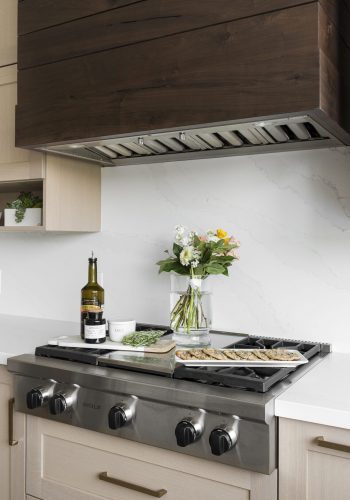
Before choosing a range hood, gather these details:
These details make it easier to choose the right hood size, avoid last-minute changes, and get project-specific guidance before ordering.
~ Modern Aire’s team
Modern Aire designs and manufactures wall hoods, island hoods, custom hoods, and liners for kitchens where both performance and design matter.
Sizing is not just about choosing a width from a chart. The right recommendation may depend on the range size, cooking habits, ceiling height, hood depth, blower type, finish, and whether the hood is wall mounted, installed over an island, or built into a custom enclosure.
Modern Aire can help homeowners, designers, builders, architects, and cabinet makers think through the details before ordering. If a standard size works, that may be the right path. If the kitchen needs a custom width, custom depth, custom height, specific material, or unique finish, Modern Aire can help guide that conversation through the planning process.
This is especially important when the kitchen design calls for a shallower hood, a larger range, an island installation, or a custom liner. These choices can affect both the final look and the way the hood performs.
For project-specific guidance, homeowners and trade professionals can find a dealer or contact Modern Aire before finalizing their range hood plans.
A custom range hood may be the right choice when a standard hood does not fit the kitchen layout, cooking surface, or design goals.
Consider custom sizing when:
Custom sizing is not only about appearance. It can help align performance needs with the finished kitchen design.
Your range hood should be at least as wide as your cooking surface. Where space allows, choosing a hood up to 6 inches wider can provide better capture area.
A range hood should generally be the same width as the cooking surface at minimum. For stronger capture, especially on larger ranges or island installations, a hood that is 6 inches wider is often recommended.
A common standard range hood height is 30 to 36 inches above the cooking surface. Many kitchens perform well when the hood is installed around 32 to 34 inches above the range.
Wall mount range hoods are often best at 24 to 27 inches deep. Island range hoods are often best at about 27 inches deep. Liners and inserts should ideally be at least 20 inches deep when possible.
Island range hoods often need more capture area because they are exposed to airflow from all sides. Where space allows, an island hood should be wider than the cooking surface and deep enough to cover the cooking area well.
A shallow hood may allow smoke, steam, grease, and odors to escape from the front burners. If a shallower hood is needed for design reasons, the full ventilation setup should be reviewed carefully before ordering.
The right range hood size should support both the kitchen design and the way the space is used every day. Width, height, and depth all matter. A hood should be wide enough to capture rising air, deep enough to cover the cooking surface, and installed at a height that balances comfort with performance.
If you are planning a new kitchen, remodel, island cooktop, custom hood, or liner, it is best to review sizing before cabinetry, ducting, and final design details are locked in.
Modern Aire can help you explore wall mount range hoods, island range hoods, custom hoods, and liners that fit your space, cooking needs, and design goals.
To get project-specific guidance, find a dealer near you or contact Modern Aire before finalizing your order.